top of page


click on these buttons to explore other themes


Considering the importance of food intake and nutrition in our lives, we invite you to stay a bit longer on this page and watch the videos that present researched, data-driven, science-backed information on the topic.


Have you ever considered that the "normal" of eating animals is one of those unquestioned assumptions that, if researched, proves to be wrong?

Melanie Joy, PhD, is a Harvard-educated psychologist specializing in relationships, communication, and social transformation. She is the award-winning author of eight books, including the bestselling Why We Love Dogs, Eat Pigs, and Wear Cows, Getting Relationships Right: How to Build Resilience and Thrive in Life, Love, and Work, How to End Injustice Everywhere, and A Half-Hearted Death Wish. Joy is also an internationally recognized speaker and trainer who’s presented her work in fifty countries across six continents.

LET'S DIVE DEEPER INTO THE TOPIC
INTERESTED IN HEALTHY AGING?
NUTRITIONFACTS.ORG is a science-based nonprofit organization founded by Michael Greger, M.D. FACLM, that provides free updates on the latest in nutrition research via bite-sized videos, blogs, podcasts, and infographics. This RESOURCE offers a strictly non-commercial public service, without any sponsors, ads, brand partnerships, or paid subscriptions.
HOW MUCH MEAT AFFECT LONGEVITY?
Looking for data-based suggestions for YOUR daily nutrition?

What if we put plant-based eating to the test?
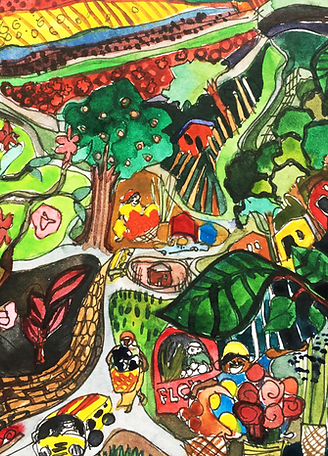
Animals ultimately get their protein from plants—or from other animals that ate plants.
Plants synthesize amino acids (the building blocks of protein) using nitrogen from the soil, along with energy from sunlight. Herbivores (like cows, deer, or elephants) eat those plants and build protein in their bodies from them. Carnivores then get protein by eating those herbivores (or other animals), so the nutrients pass along the food chain.
So at the base of it all, protein originates with plants (and some microorganisms).

Where do animals take their protein from?

LET'S TALK ABOUT THE PROTEIN
Animal Protein vs. Plant-Based Protein
PUT SIMPLY


SOURCE: VEGAN F.T.A. IG


SOURCE: VIVA CHAEITY
BUT THEN, ALSO THIS...

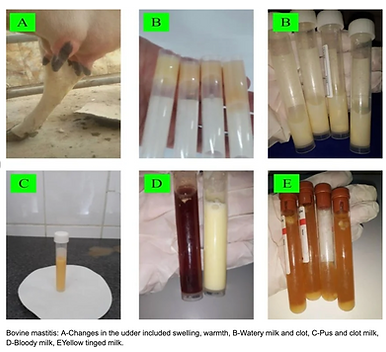
The Link Between Milk and Parkinson’s Disease

Dairy products are the only food group consistently associated with a high risk of developing Parkinson’s disease. Multiple large studies have found that people who drink the most milk may face a higher Parkinson’s disease risk—about a 50% higher risk overall compared to those who drink the least.
Why Do Milk Drinkers Live Shorter Lives on Average?

The Side Effects of the Hormones in Milk
Alzheimer's Disease: Grain Brain or Meathead?


Carcinogens in Meat / CANCER RISK
Meat Consumption and the Development of Type 1 Diabetes


ARTWORK BY NEPOMUK ZETTL
SOME MORE HELPFUL INFORMATION FOR YOU
HOW TO CULTIVATE A HEALTHY GUT MICROBIOME
Which Foods Are Anti-Inflammatory?


LEARN MORE ABPOUT NUTRITION AND FOOD FROM EVIDENCE-BASED SOURCES:
Click on these to explore more


IF YOU WANT TO DIVE EVEN DEEPER


WHAT MEAT INDUSTRY WANTS YOU TO BELIEVE

Are humans carnivores, herbivores, or omnivores—and what does that actually mean?
Explore this question with Robert Sapolsky (a professor of biology, neurology, and neurosurgery at Stanford University, known for his work on stress, behavior, and human biology, as well as for making complex science accessibl), in the first 15 minutes of this episode.


click on these buttons to explore other themes
bottom of page