top of page


click on these buttons to explore other themes

During a session of a seminar on socially engaged artistic practices, students at Fordham University (New York) were introduced to the theme of factory farming and the broader issues surrounding the industrialized food system.
Following the session, the students participated in this online awareness project, contributing a set of “recipes” for action. This “cookbook” brings together their responses.
We invite you to spend time with their contributions and explore their thoughtful, creative approaches to addressing these issues—by drawing public attention, raising awareness, and advocating for change.


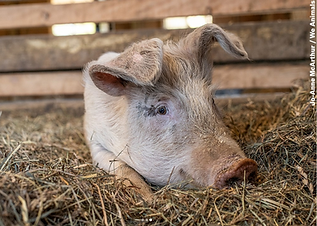


Video source: mercy for animals
But make it vegan.


Leather is directly tied to the meat industry, as it is typically produced from the hides of animals—primarily cattle—raised and slaughtered for meat, making it a byproduct of the same industrial system.

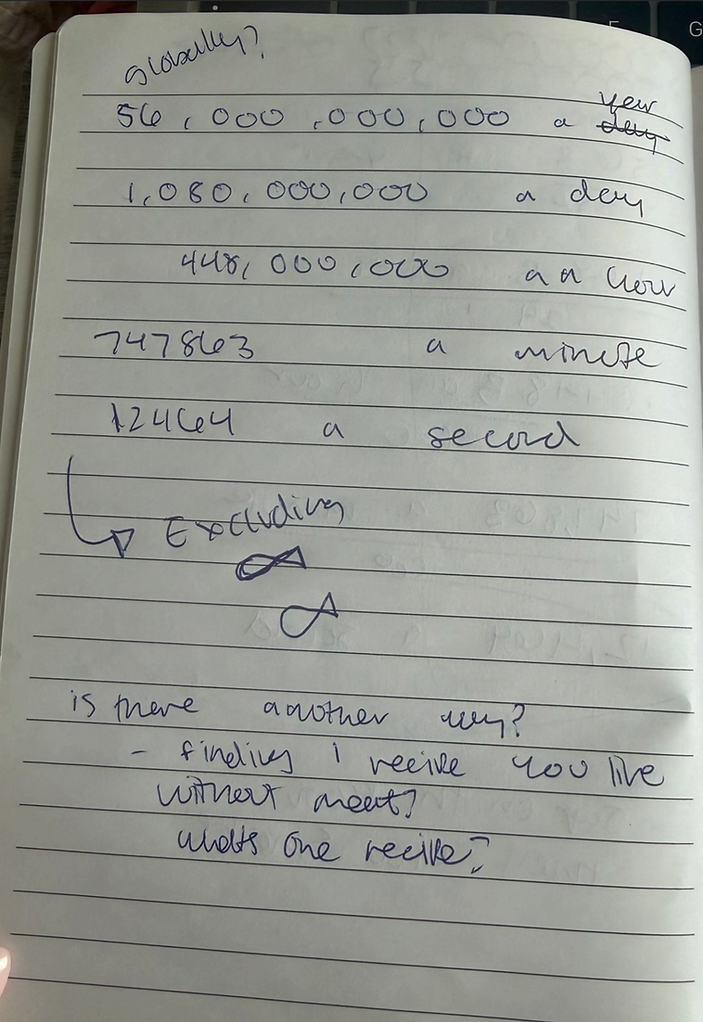
Doing the maths



The expansion of land for agriculture is the leading driver of deforestation and biodiversity loss. If the world adopted a plant-based diet, we would reduce global agricultural land use from 4 to 1 billion hectares. We could reduce the amount of land used for grazing and croplands used to grow animal feed. The land use of livestock is so large because it takes 50 to 100 times as much land to produce a kilocalorie of beef or lamb versus plant-based alternatives.**
**Hannah Ritchie (2021) - “If the world adopted a plant-based diet, we would reduce global agricultural land use from 4 to 1 billion hectares” Published online at OurWorldinData.org. Retrieved from: 'https://archive.ourworldindata.org/20260305-101825/land-use-diets.html' [Online Resource] (archived on March 5, 2026).

LET ME REMEMBER YOU: A PETITION FOR THOSE WITHOUT THE VOICE


PICK AN ACTION ACCORDING TO YOUR TASTE.
MAKE IT PUBLIC.

Beyond that. Demand change.

ReFERENCE DOCUMENT

PUBLIC STATEMENT>

BRING INStiTUTIONAL TRANSFORMATION.
click on these buttons to explore other themes
bottom of page